

Content creation in marketing has changed a lot in recent years. People who work in marketing, small business owners and digital strategists have gone from doing everything by hand to using AI tools quickly. In the past, digital tools were mainly about organising tasks or putting posts on social media. Now tools like ChatGPT, Claude and Midjourney have made a big difference. These tools have created a new way of working: using artificial intelligence as a partner in daily marketing efforts.
To understand this situation, it is important to explain what generative AI means in marketing. At its core, generative AI is about algorithms, especially large language models. These models look at a lot of text, code or pictures. Then they make new things that look like human work based on what people ask for. These models don’t take the place of thinking. Instead, they work like systems that find patterns. They can write text, make images and organise data in seconds. According to research from the HubSpot State of Marketing Report, more than 70% of digital marketers now use artificial intelligence tools, mostly to help with research and coming up with new ideas.

Figure 1: The evolution of digital marketing requires combining technological speed with human creative strategy.
The goal of this article is to offer a real-world guide for using tools in a digital plan. By learning how to mix computer power with real human feelings, companies can make more content without losing their special brand style.
What is generative AI in digital marketing, and how does it work?
Frequently Asked Question: What is generative AI, and why does it matter for modern digital marketing?
Answer: Generative AI in marketing means using machine learning programs to write content, come up with creative ideas, look at what people like and make copy automatically. It matters because it cuts down a lot of time between an idea and something that is published. This lets marketers spend time on planning and talking to customers.
The change caused by these tools is about changing the way people work every day. Instead of facing a blank page—which can make people feel stuck—creators can now get a first draft or a list of ideas in just a few seconds. Not every tool does the same thing. Knowing which one works best for each step of the process is important for creators.
| Model / Platform | Strengths in Marketing | Primary Marketing Use Case | Accessibility & Tone |
| ChatGPT (OpenAI) | Versatility, ecosystem, data analysis & structured prompts | Drafting outlines, ideation, and multi-format copy | Free & paid tiers; customisable tone |
| Claude (Anthropic) | Nuanced writing tone, high context window & technical editing | Long-form articles, deep research editing, brand voice matching | Free & Paid tiers; natural human-like prose |
| Mistral AI | Open-source flexibility, privacy compliance & speed | Custom API integrations, automated localised workflows | Open-weight / developer-focused |
| Mistral AI | Open-source flexibility, privacy compliance & speed | Custom API integrations, automated localised workflows | Open-weight / developer-focused |
As shown in the table, choosing the right tool helps teams make certain parts of their marketing process better. Instead of taking over the job of the content creator, technology changes the main job of the creator from writing from scratch to fixing, checking and improving early versions.
Practical Applications for Brands and Content Creators
1. Overcoming Creative Block with Ideation
One of the best ways to use generative software is to beat the blank page problem. Marketers often spend hours deciding on angles for a new campaign. By feeding a large language model details about a buyer persona, creators can generate dozens of headline ideas, topic clusters or campaign angles in seconds. For example, a sustainable fashion brand planning a campaign can quickly produce twenty variations of an educational message about garment care, letting the team pick and refine the most compelling options.
2. Scalable Content Personalisation
Reaching audience groups normally means rewriting the same core message many times to match different demographics. Generative tools simplify this by changing tone, complexity and format. A single piece of core research can become a white paper for corporate decision-makers, a casual blog post for everyday readers and short bullet points for social media, all while keeping the same facts.
3. Integrating Visual Assets Effectively
A well-structured digital article needs visuals to keep readers focused and to break up long blocks of text.
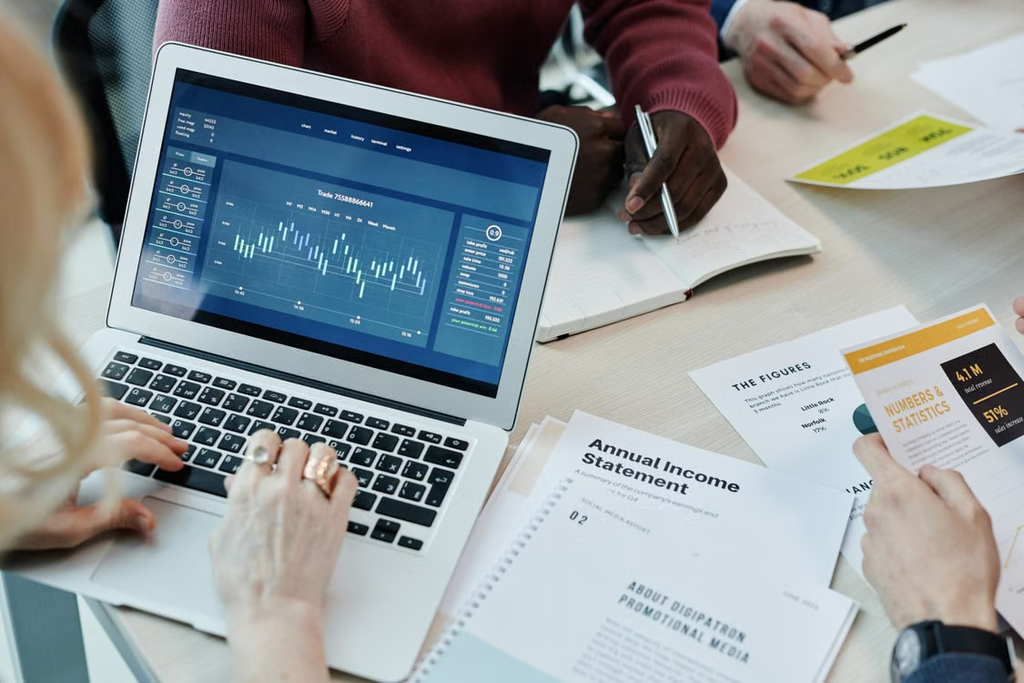
Figure 2: Digital strategists analysing content performance metrics to refine automated workflows.
When choosing images for publishing, it is essential to use descriptive alt text and informative captions. This improves the user experience and helps search engines index the page properly.
The Human Touch: Why Artificial Intelligence Cannot Replace Creators
Frequently Asked Question: Can artificial intelligence fully replace human creativity in content marketing?
Answer: No. While tools can combine existing data and follow patterns, they lack real lived experiences, emotional empathy, cultural nuance and brand intuition. High-performing content requires judgement to verify facts, weave authentic stories and align with ethical values.
The Risk of Generic Content and Loss of Voice
Because language models work by predicting the statistically likely next word, unedited outputs often lack originality. Over-reliance on automated writing can produce repetitive content filled with industry cliches. When many brands in the same niche use similar prompts, their output begins to sound identical, erasing competitive differentiation and the unique brand voice.
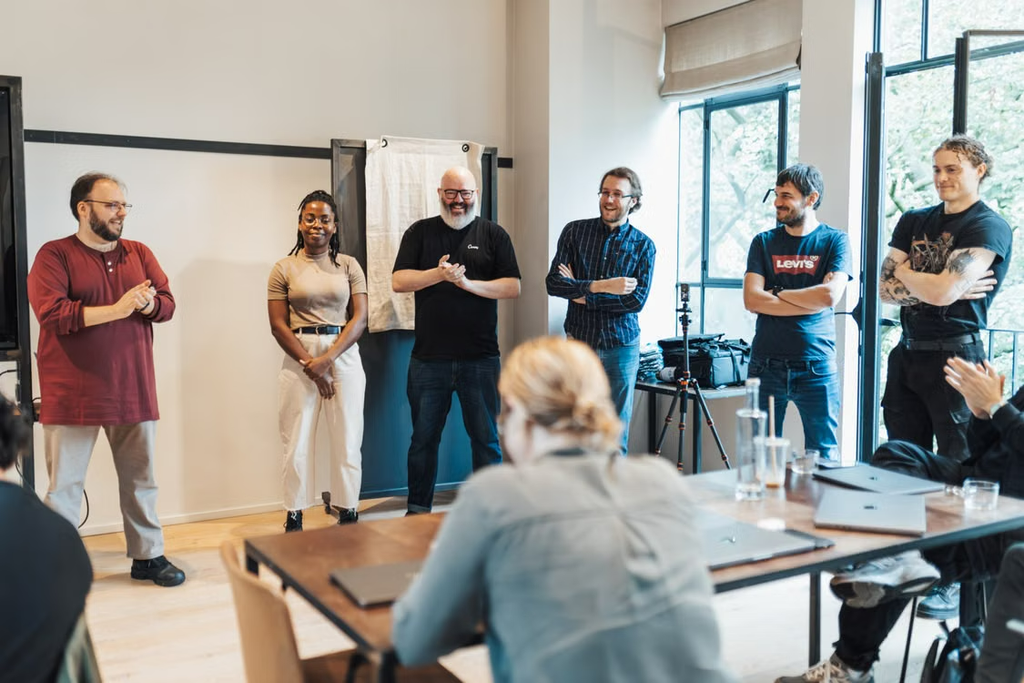
Figure 3: Human empathy and critical oversight remain essential to maintain brand voice and build authentic connections.
The “Human-in-the-Loop” (HITL) Framework
To keep things real and make sure the work is good, top companies use a Human-in-the-Loop (HITL) framework. In this way of working, intelligence is used for starting ideas, doing some research and writing first drafts. Every piece of work has to go through an editor who is in charge of:
- Fact-checking and Source Verification: Making sure numbers, references and statements come from trusted research like reports from McKinsey & Company.
- Brand Tone Alignment: Changing the words to match the brand’s style and what the brand stands for.
- Ethical Review: Stopping biases, wrong information or things that could be misleading from getting out to the public
Frequently Asked Questions (FAQ)
How can brands optimise content for visibility in the era of AI-driven search engines?
To stay visible as search engines add AI summaries (like Google’s Search Generative Experience), brands need to focus on optimising content for AI-driven search engine visibility by giving in-depth knowledge. Search engines like content that shows knowledge, original research, direct quotes from people in the industry and clear answers to specific questions instead of just general information.
How do creators maintain transparency when using automated tools?
Honesty is kept by making rules for editing and saying when automated systems helped with data or pictures. Brands should focus on giving useful information, and the people who write the content should take full responsibility for what is published.
Conclusion
Generative AI is one of the biggest changes in modern digital marketing, giving a lot of speed when it comes to ideas, research and making things personal. Technology by itself can’t create a loyal audience. The real secret to growing in the digital world is finding the right balance: using digital tools for simple jobs and basic structures while saving strategy, stories, and feelings and making the right choices for human creators. Brands that learn this way of working will not only create content faster, but they will also build stronger, more real connections with their readers.
YOAST SEO CONFIGURATION
Focus Keyword: generative AI in digital marketing
Long-tail Keywords: optimising content for AI-driven search engine visibility, human-in-the-loop content strategy
Meta Description: Find out how generative AI is revolutionising digital marketing in terms of content creation. See how you can marry the power of AI with your own creativity to ensure you remain authentic and search engine visible.
Schema Type: Article / BlogPosting
References
- HubSpot. (2024). The state of marketing 2024: Data-driven trends and insights from 1,400+ global marketers. HubSpot. https://www.hubspot.com/state-of-marketing
- McKinsey & Company. (2023, June 14). The economic potential of generative AI: The next productivity frontier. McKinsey Global Institute. https://www.mckinsey.com/capabilities/quantumblack/our-insights/the-economic-potential-of-generative-ai
- Pexels. (n.d.). Free stock photos, royalty free images & videos shared by creators. Pexels. https://www.pexels.com