
AI influencers vs human influencers: How virtual creators are changing social media marketing and consumer trust
Imagine scrolling through Instagram and seeing a girl with pink hair posting pictures at the gym, traveling, and promoting different brands. You see and she has thousands of followers, works with famous companies, and looks just like any other influencer. But what if I told you she isn’t even real?
Meet Aitana López, a virtual influencer created using artificial intelligence by a Spanish agency called The Clueless. According to Fast Company, she had almost 400,000 followers across her social media platforms in May 2026 and had worked with huge brands such as Amazon Spain. Actually, behind all her content, there is a team of people who manage her images, personality, and online interactions.
Although Aitana is publicly identified as a virtual influencer, her realistic appearance raises an interesting question: could you recognize an AI influencer without being told? And more importantly, can these virtual creators really compete with human influencers when it comes to consumer trust and marketing?
What Exactly Is an AI Influencer?
After seeing Aitana’s story, you might be wondering what an AI influencer actually is. In simple terms, an AI influencer is a digital character created using technology such as artificial intelligence (AI) and computer-generated imagery (CGI). These characters can have Instagram or TikTok accounts, post pictures, share videos, and even promote products, just like regular influencers.
Some of them look almost exactly like real people, while others look more like animated characters. But, as weird as it may sound, not every virtual influencer is completely controlled by AI. In many cases, there are real people behind the account who decide what the character posts, how it looks, and which brands it works with.
Could You Recognize an AI Influencer?
Think about the last influencer you followed. Did you ever stop to ask yourself if that person was actually real? Most of us probably don’t. We see pictures, videos, and brand promotions, and we just keep scrolling.
But recognizing an AI influencer might not be as easy as we think. According to a 2025 Canadian survey by Ad Standards and Caddle, only 24% of the 2,242 respondents felt confident they could tell AI influencers apart from human ones. At the same time, 42% said they were not even confident they could tell a difference
Of course, this doesn’t mean that only 24% could actually recognize one. The survey measured people’s confidence, not their ability to identify AI correctly. Still, this clearly shows us how uncertain many consumers feel about this technology.
This also helps us raise another question. If AI influencers can look so real, how different are they from human influencers when it comes to marketing?
AI vs. Human Influencers: What’s the Difference?
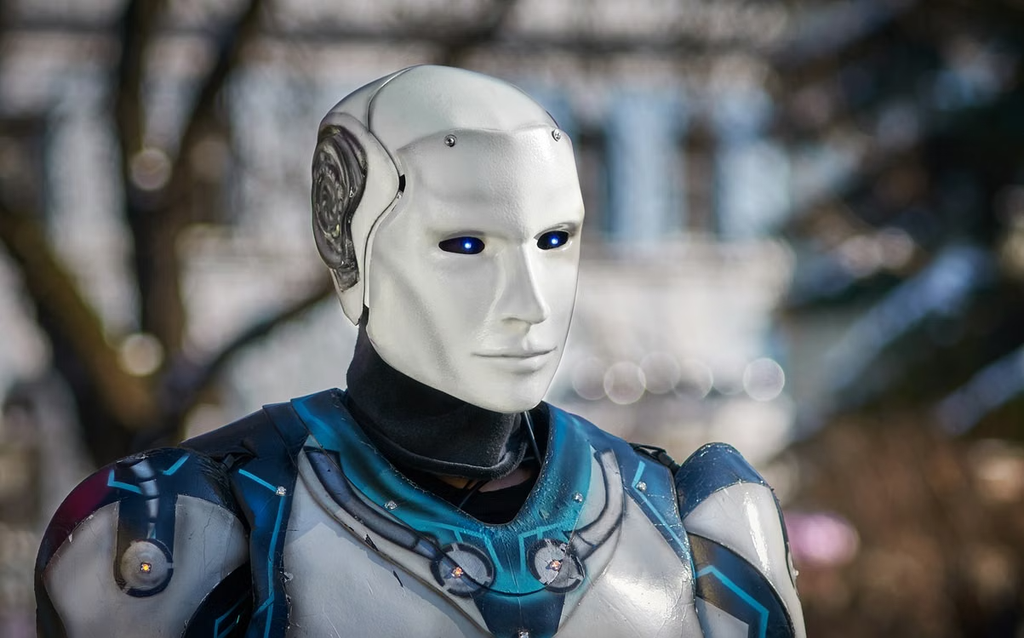
At first, AI and human influencers might seem to do the same thing. They post pictures, create content, promote products, and interact with followers. But when we look at how they work, there are some important differences, especially for brands.
One of the biggest advantages of AI influencers is that companies can have more control over their image, personality, and content. For example, an AI influencer doesn’t need to travel to another country for a photoshoot or be physically available for a campaign. However, creating and managing these digital characters still requires time, technology, and people.
Here, we can see a simple comparison:
| Factor | AI Influencers | Human Influencers |
| Content Creation | Digitally created and often more flexible | Requires the person to participate |
| Brand Control | Often greater control over content | More personal independence |
| Authenticity | No real personal experiences at all | Can share real-life experiences |
| Consumer Trust | Generally lower credibility | Generally higher credibility |
| Costs | Technology and production expenses | Fees, travel and production expenses |
But here’s where things get interesting. A 2026 study published in the Journal of the Academy of Marketing Science analyzed 210 experiments involving more than 91,000 participants. The researchers found that virtual influencers were generally more interesting to consumers because of their novelty, meaning that people see them as something new and different. They also found no significant overall difference between AI and human influencers in terms of engagement.
So, what does this actually mean for companies? Someone might like or comment on a virtual influencer’s post simply because the character looks impressive or unusual. But that doesn’t necessarily mean they trust its recommendations.
This is an important difference because getting attention on social media is only one part of marketing. Brands also want consumers to trust their products and eventually buy them. So, while AI influencers can be useful for attracting attention, human influencers may still have an advantage when it comes to building trust. This leads us to our next big question.
Do Consumers Really Trust AI Influencers?
Most of the time, when you follow an influencer, it’s usually because you like their content, their personality, or because you feel you can relate to them. But would you feel the same way if you discovered that the person recommending your favorite products wasn’t actually real?
According to the Canada survey of Ad Standards and Caddle, 67% of the 2,242 respondents said they trusted AI influencers’ recommendations less than those of human influencers. Even more interesting, 57% said that knowing an influencer was AI-generated would make them less likely to buy a product they promoted.
But why does this happen?
One possible explanation is that people value authenticity when making purchasing decisions. For example, when a fitness influencer recommends a protein supplement, followers might trust that recommendation because they believe the person has actually used the product. An AI influencer, on the other hand, cannot personally try it or experience its benefits. This could make the recommendation feel less genuine, even if the content looks convincing.
Another interesting finding we can see comes from a 2025 study published in Computers in Human Behavior Reports. In here, researchers conducted two experiments with 674 participants in total, comparing human influencers with virtual influencers which had their artificial identity disclosed in different ways. They found that when an influencer was clearly presented as virtual, the participants generally considered it less credible than when its virtual identity was mentioned in a more subtle way. This lower credibility could also negatively affect how consumers viewed the promoted brand and their intentions to buy products from that brand.
For companies, being transparent about using AI is important, but making that information very noticeable might also affect how consumers react to the advertisement. Then, why do they keep investing in it?
Why do Brands Invest in Virtual Influencers?
Let’s go back to Aitana López. According to Fast Company, her creators at The Clueless agency said they could produce an entire month of content in just one morning. This is something that would be much harder with a human influencer, especially when campaigns involve different locations, outfits, and photoshoots. For brands, this could mean producing more content in less time.
The financial side of this is also really interesting. The agency reported that Aitana charges between $6,000 and $8,000 for a sponsored post and how she has also worked with brands such as Amazon Spain and Berlook. This clearly shows how virtual influencers can become a business of their own, instead of simply being a marketing experiment.
Another advantage is that brands can build an influencer around a specific audience. For example, a sportswear company could create a virtual fitness influencer whose style and content match its products. However, if the character feels too artificial or too focused on selling, consumers might lose interest.
In my opinion, this is why AI influencers should be seen as another marketing option rather than a complete replacement for human influencers. They might work well for creative campaigns and attracting attention, while human influencers could be more effective when brands need personal experiences and stronger consumer trust.
So, Is Human Influence Really Replaceable?
Could your favorite influencer actually be AI without you knowing? Well, it’s definitely possible, especially as these digital characters become more realistic. But as we’ve seen, looking human and being one are two very different things from a customer perspective
AI influencers offer brands new opportunities to create content and connect with audiences. However, they still struggle to offer the personal experiences and authenticity that human influencers bring. In my opinion, the future of influencer marketing won’t necessarily be about choosing one over the other, but about understanding when each one works best.
Frequently Asked Questions (FAQ)
1. Are AI influencers real people?
No. AI influencers are digital characters created using technologies such as artificial intelligence and computer-generated imagery. However, many are managed by real people who control their content and social media interactions.
2. Can AI influencers make money?
Yes. Just like human influencers, they can earn money through sponsored posts and brand partnerships. For example, Aitana López’s creators have reported charging between $6,000 and $8,000 for a sponsored post.
3. Do AI influencers have to tell followers they are not real?
Disclosure rules depend on the country and the type of content. In Canada, Ad Standards recommends clearly identifying virtual influencers and disclosing paid brand partnerships. Being transparent can help consumers understand who is behind the content they see
References
Barari, M. M., Eisend, M., & Kulczynski, A. (2026). Virtual influencer marketing: A meta-analytic review. Journal of the Academy of Marketing Science, 54, 1209–1233. https://doi.org/10.1007/s11747-026-01186-w
van Berlo, Z. M. C., & Breves, P. L. (2025). Disclosing the virtual nature of virtual influencers: The effect of disclosure prominence and the role of product digitality. Computers in Human Behavior Reports, 19, Article 100742. https://doi.org/10.1016/j.chbr.2025.100742
Upton-Clark, E. (2026, May 22). She has 400,000 Instagram followers and major brand deals. She’s also AI. Fast Company. https://www.fastcompany.com/91546466/she-has-400000-instagram-followers-and-major-brand-deals-shes-also-ai
Caddle & Ad Standards. (2026, February 25). Attitudes towards influencer marketing [Research report; survey conducted October 2025]. https://adstandards.ca/wp-content/uploads/Caddle-Ad-Standards-Influencer-Marketing-Report-2025.pdf
Ad Standards. (2025). Influencer marketing disclosure guidelines (Fall 2025 edition). https://adstandards.ca/wp-content/uploads/Ad-Standards-Influencer-Marketing-Disclosure-Guidelines-2025-10-08.pdf