
Do you have Ad Fatigue?
Ads are everywhere, every day, on everything, whether it’s billboards on our way home, commercials in the middle of our favourite shows, or paid posts on every social media platform. Nowadays, so much of our attention goes to scouring the screen for the “skip” button rather than watching the actual ad content. Some of us even pay for ad-free subscriptions, countering the millions brands spend to publish those ads. And don’t we all have an ad that we are tired of getting spammed with?
Ad fatigue happens when your audience sees the same promotional materials too many times. More than half (52%) of surveyed U.S. consumers reported that overexposure to ads was most likely to negatively impact their perception of a brand (Adams, 2021). Furthermore, it isn’t just the volume of ads that is having an adverse impact but also their placements. Previous research indicates that consumers perceive online ads, particularly pop-ups, as intrusive because they interrupt ongoing goals or activities and resort to ad avoidance (e.g. skipping or blocking ads) as a defensive attempt to regain freedom (Niarossa & Haryanto, 2025).
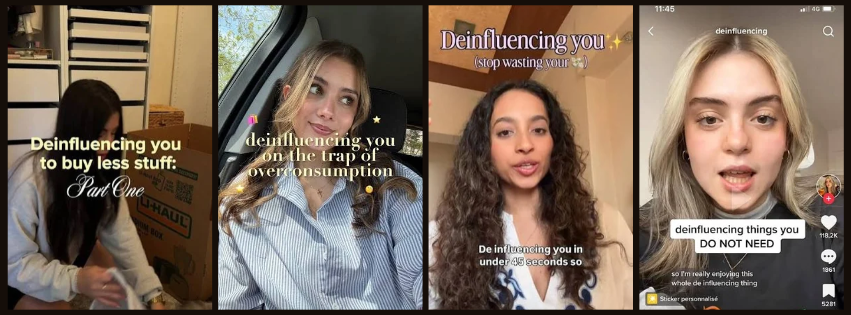
Social media trends such as “de-influencing” and “unhaul” reflect the same sentiment, where creators often dissuade others from falling for marketing ploys and call out potential gimmicks. Such content isn’t just anti-overconsumption but also marks a shift in consumer psychology, as consumers have evolved from being passive buyers to active skeptics. Advertising skepticism refers to consumers’ generalized tendency to distrust the credibility, accuracy, or persuasive intent of advertising messages (Khuhro et al., 2017). This skepticism is situated within wider societal transformation in which public attitudes toward advertising shift from predominantly favourable or positive to increasingly uncertain and distrustful.
So How Can Brands Rebuild the Trust?
In this loop of brand promotions and consumer fatigue, marketers need to find a way to reach people the way they want to be reached, and currently one of the most prized and sought-after ad spaces in the world isn’t New York’s Times Square but the Instagram story of whoever the internet’s current darling influencer is.
Audiences, particularly Gen Z, increasingly crave community and connection, reflected in the growing prevalence of parasocial relationships between influencers and their followers. These one-sided emotional bonds create a sense of personal connection and familiarity with influencers. Moreover, the transactional nature between brands and consumers doesn’t carry over to creators and their audience due to factors including relatability and trust.
With the huge influx of content creators in the last few years, it’s easier than ever for brands to find a creator that the audience already associates with the brand or category; this way, the content feels genuine and shows up in sentiments and conversions. Creator ads outperform brand ads with 4x higher CTR, 45% better conversions, and $5.78 ROI per $1 spent (Kim, 2025).
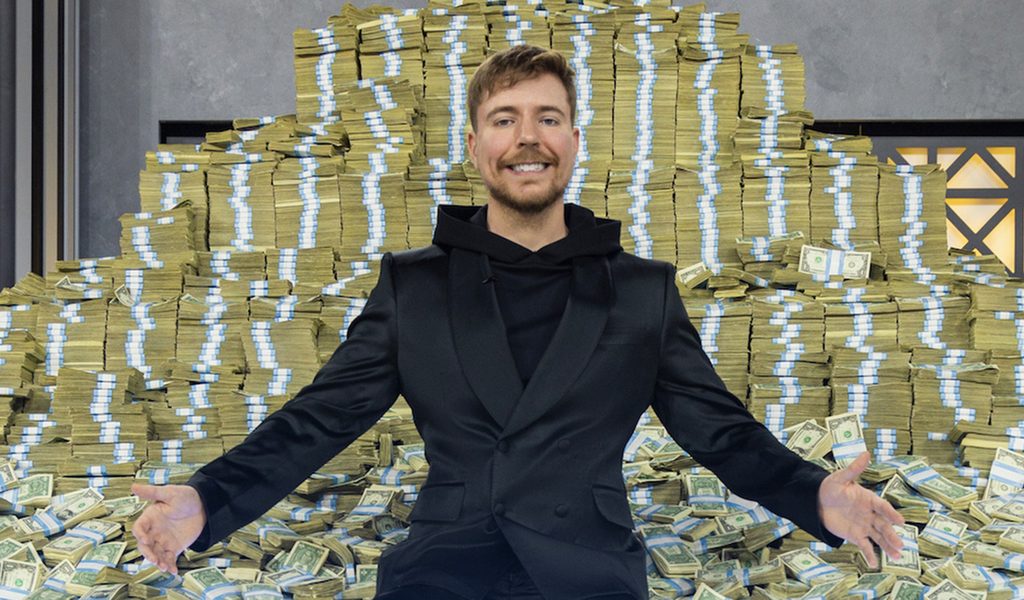
And a lot of big brands are catching up. In 2025, Unilever claimed it will spend half of its ad budget on social media and work with 20 times more influencers as part of its new “influencer-first” strategy, per CEO Fernando Fernandez (Jones, 2025). The vast growth of the creator economy and influencers’ individual incomes show how brands are now ready to pay large amounts in exchange for their audience. Recent court documents from a lawsuit between MrBeast and his former food-business partner show that in early 2024, a 30- to 45-second sponsored spot on MrBeast’s main channel cost around $2.5 million (Talwar, 2026).
Bets that landed
1. Poppi x Alix Earle (Coachella 2024)
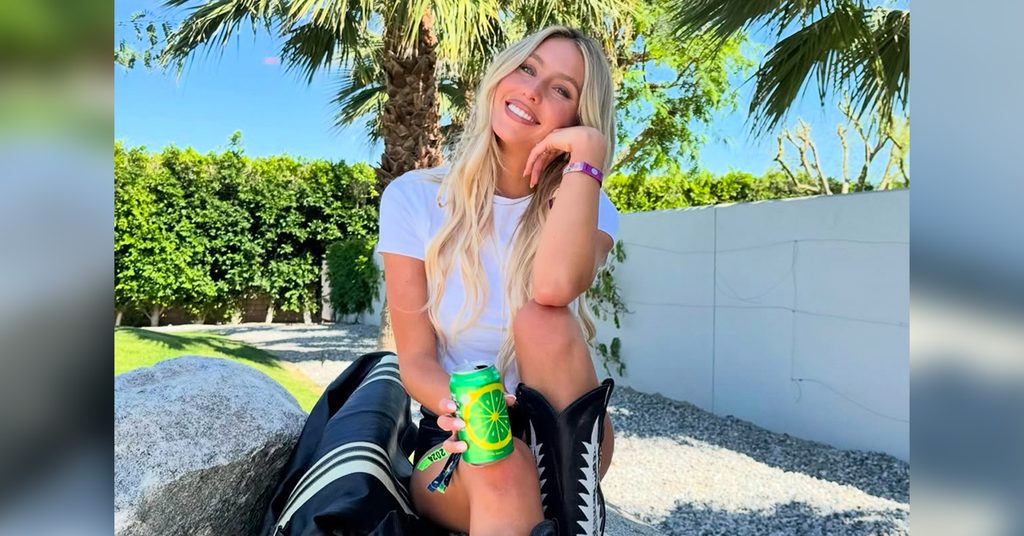
Soda brand Poppi exclusively partnered with TikTok’s “It Girl,” Alix Earle, who had 6M followers back then, for Coachella Weekend 1. Calling it “CoachEARLEa,” Poppi housed Alix in a mansion filled with Poppi’s latest lemon-lime branding and merch. This short campaign reportedly drove more than 50M impressions in the first 3 days, causing a massive 200% spike in sales during the festival. According to Poppi founder Allison Ellsworth: ‘Our goal was to make Poppi the must-have beverage of Coachella, and I’d say we accomplished that and then some…Coupling the debut of our delicious new flavour with Alix’s infectious enthusiasm allowed us to really capture the spirit of the festival and drive incredible engagement with our target Gen Z and millennial consumers.’ (Barnett, 2024).
2. Dunkin’ x Charli D’Amelio’s “The Charli” (2020)
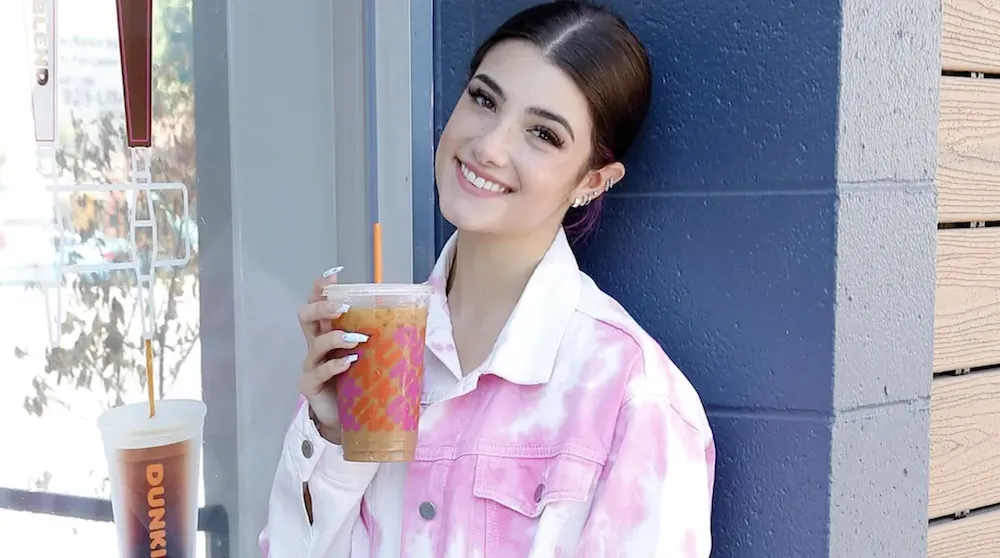
In 2020, Dunkin’ collaborated with famous TikTok star Charli D’Amelio to introduce “The Charli,” a limited-edition beverage reflecting her go-to Dunkin’ order. Charli had already organically featured Dunkin’ multiple times in TikTok videos with millions of likes, which added the much-needed credibility to the endorsement. This existing trust helped them reach a reported 57% jump in app downloads on launch day compared with its prior 90-day average. Dunkin’ also reported a 20% sales boost for all cold brew coffees on the day ‘The Charli’ debuted, and a 45% surge in cold brew sales the day after its launch, highlighting the power of influencer collaborations (StatSocial, 2025).
3. Stanley x The Buy Guide (2019 to 2020)
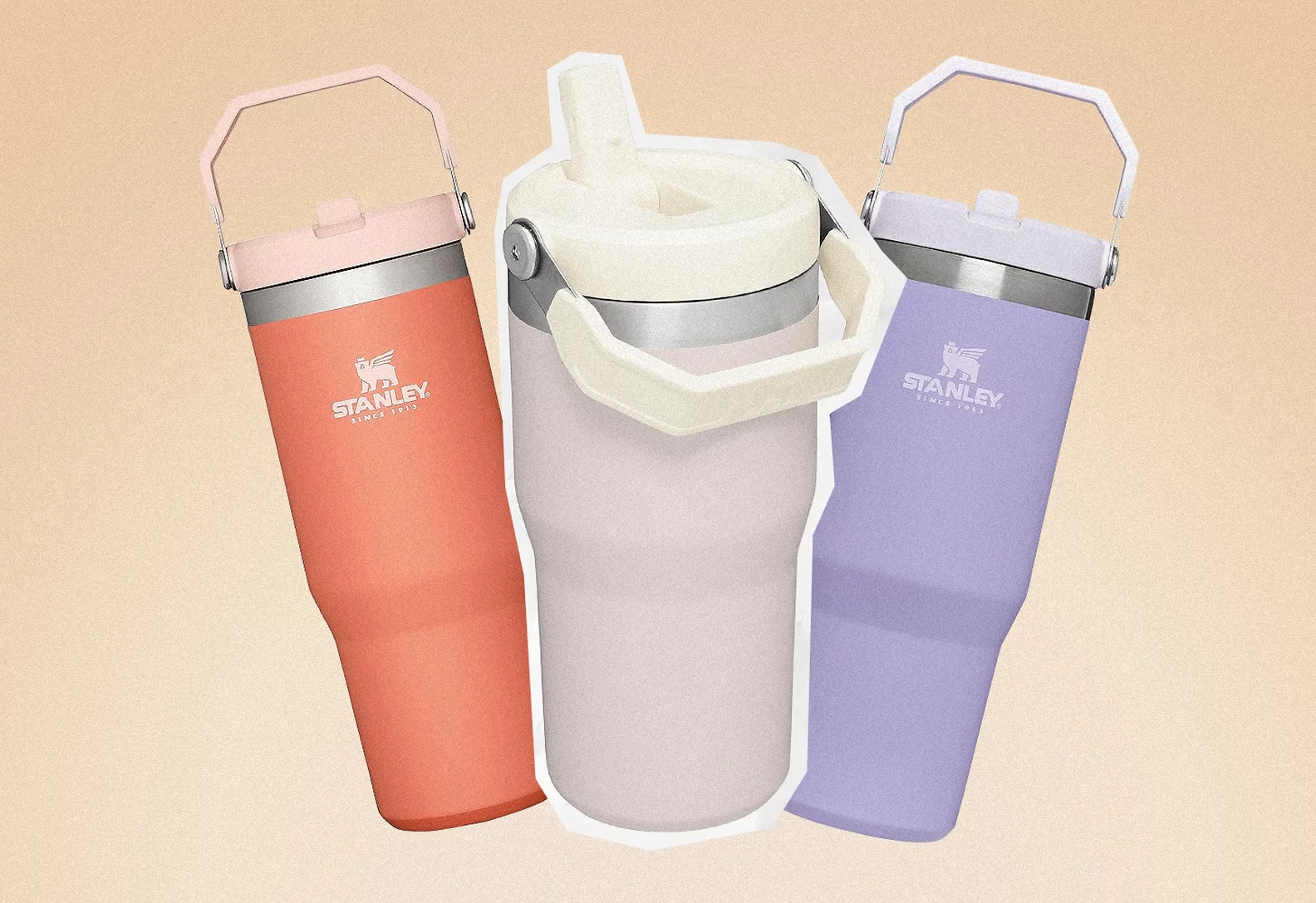
The Buy Guide is a commerce blog and Instagram account run by Ashlee LeSueur and other women in Utah. Similar to Charli, Ashlee was already a fan of the brand and had previously recommended their products to her followers, unsponsored. So when Stanley let her sell Quenchers directly to her audience, CNBC reports they sold out within days. The brand’s president, Terence Reilly, then treated them as partners and promoted new colours with them. This collaboration helped Stanley’s revenue to jump from $73 million in 2019 to $94 million in 2020. It more than doubled to $194 million in 2021 (Vega & Shamo, 2023)
So, Are Influencers The New Be-All and End-All Against Ad Fatigue?
Building long-term brand trust depends on too many variables, and influencer marketing is undeniably a great short-term solution. But there needs to be a greater emphasis on “short-term,” as internet personalities often drop like flies under the scrutiny of cancel culture, and can take the brands down with them.
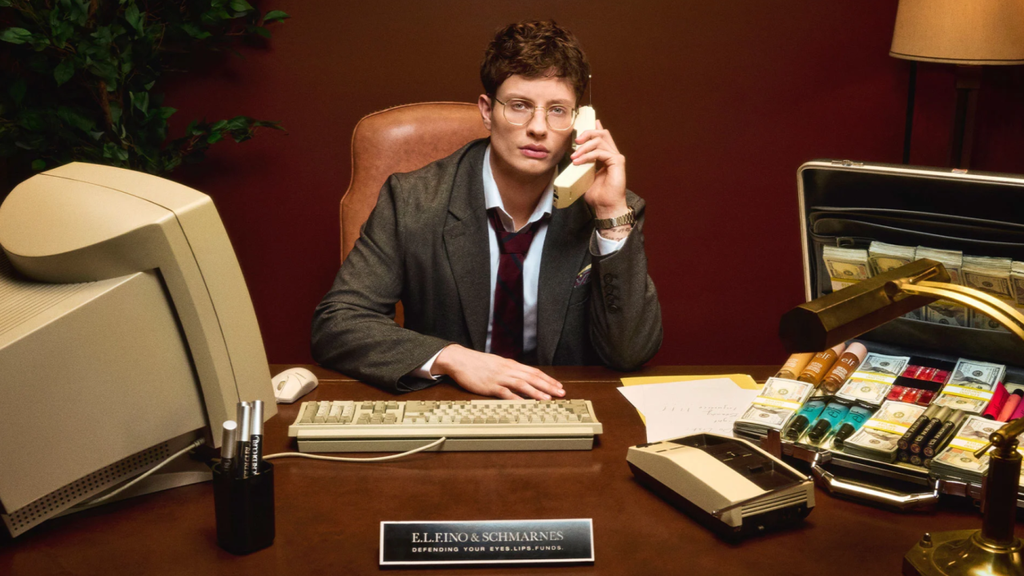
In 2025, E.L.F. Cosmetics faced backlash over featuring comedy creator Matt Rife in an ad. Rife, in his 2023 debut Netflix special, had joked about domestic violence, made distasteful misogynistic comments, and E.L.F., by associating with him, despite having a female majority target audience, faced calls to boycott the brand (Walrath-Holdridge, 2025).
Overall, brands need to balance the right place and volume for their ads, and most importantly, the right messenger that can be trusted and not skipped.
References:
Adams, P. (2021, March 16). Study: AD overload could pose steeper risk to brands than messages near inappropriate content | marketing dive. Marketing Drive. https://www.marketingdive.com/news/study-ad-overload-could-pose-steeper-risk-to-brands-than-messages-near-ina/596789/
Barnett, D. (2024). Influencer campaigns: How Poppi won Coachella with Alix Earle. Influencer Intelligence . https://www.influencerintelligence.com/blog/Tpq/influencer-campaigns-how-poppi-won-coachella-with-alix-earle
Dobrinić, D., Gregurec, I. & Dobrinić, D. (2021). Examining the factors of influence on avoiding personalized ads on Facebook. Zbornik radova Ekonomskog fakulteta u Rijeci: časopis za ekonomsku teoriju i praksu / Proceedings of Rijeka Faculty of Economics: Journal of Economics and Business, 39 (2), 401-428. https://doi.org/10.18045/zbefri.2021.2.401
Forbes top creators 2026 – Instagramers, YouTubers & Other Digital creators. Forbes. (n.d.). https://www.forbes.com/sites/stevenbertoni/2026/06/23/forbes-top-creators-2026/
An influencer attribution case study: Dunkin’ and Charli D’Amelio. StatSocial. (2025, April 10). https://www.statsocial.com/blog/charli-damelio-dunkin-influencer-attribution/
Jones , M. (2025, March 15). Unilever invests half of its budget on an ‘influencer-first’ strategy. EMarketer. https://www.emarketer.com/content/unilever-invests-half-of-its-budget-on-influencer-first-strategy
Kim, J. (2025, December 30). Creator ads vs brand ADS: 2025 data you need. Aspire. https://www.aspire.io/blog/creator-ads-vs-brand-ads-2025-data-you-need
Talwar, K. (2026, July 30). MrBeast’s $2.5m per sponsorship fee revealed in court. Briefs Finance. https://www.briefs.co/news/court-filings-reveal-mrbeast-s-2-5-million-per-sponsorship-f/
Vega, N., & Shamo, L. (2023, December 23). How a 40-Ounce cup turned Stanley into a $750 million a year business. CNBC. https://www.cnbc.com/make-it/2023/12/23/how-a-40-ounce-cup-turned-stanley-into-a-750-million-a-year-business.html
Walrath-Holdridge, M. (2025, August 15). E.l.f. cosmetics, under fire for Matt Rife ad, says “we missed the Mark.” USA Today. https://www.usatoday.com/story/entertainment/celebrities/2025/08/15/elf-cosmetics-matt-rife-ad-controversy/85673993007/