
Brands risk excluding up to 20% of potential users
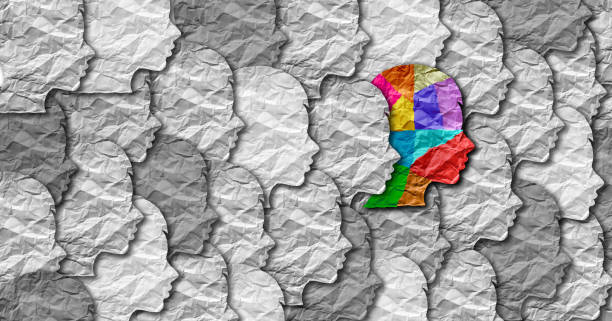
In marketing, we have long been taught to build strategies around a “typical user”. This standard is a myth. Indeed, an estimated 15% to 20% of the global population is neurodivergent (ADHD, autism and dyslexia) so, by ignoring neuro-inclusivity, brands risk to exclude up to one-fifth of their potential users.
Beyond ethics, this also represents a major business opportunity. Neuro-inclusivity marketing strategies can significantly expand audience reach and improve engagement.
Neuro-inclusivity VS mental load
The success of a purchase funnel also depends on managing mental load. For some neurodivergent users, a website that is too noisy (autoplay videos, flashing banners, pop-ups) may create overload.
Research highlights that poorly designed digital environments can increase mental load and create barriers to accessibility. Moreover, many neurodivergent consumers experience digital content differently, particularly when it comes to processing information, attention and sensory stimulations.
The conclusion is simple : users are less likely to convert when they experience visual stress. On the other hand, a clean and intuitive interface can significantly improve engagement.
3 ideas to build a neuro-inclusive interface
First, prioritize clarity by using short sentences and simple, direct language. Indeed, complex or technical words can create confusion and mental overload, especially for some neurodivergent users like dyslexics.
Then, improve the readability and structure. The way informations are presented is just as important as the content. Poor hierarchy and low contrast can make it difficult for users to focus and retain information. Structuring content helps users navigate more easily and reduces mental effort. As highlighted by Econsultancy, inclusive design improves accessibility and overall engagement.
Finally, one of the most effective ways to develop a neuro-inclusive website is to offer a range of formats. This allows users to access information in the way that suits them best, depending on their preferences and cognitive needs. For example, offering a dark mode and allowing users to reduce or disable animations are features that significantly enhance user comfort.
The ROI of neuro-inclusivity
Neuro-inclusivity is not juste ethical, it is also strategic. In fact, many consumers will abandon a website if it is difficult to use or not accessible. It represents a significant loss of potential revenue.
Neuro-inclusivity can unlock what some experts describe as one of the largest underserved consumer groups, with strong potential for engagement. Moreover, neuro-inclusivity can improve the overall conversion rate. To make a comparison with physical accessibility : access ramps built for wheelchairs ultimately benefit parents with strollers or travelers with suitcases.

In conclusion, the marketing of tomorrow must no longer forcefully “capture” attention, but it must lean to respect it. By incorporating neuro-inclusivity, brands can build a more sustainable and human relationship with their entire audience.
References
- Not all minds think alike: The importance of neurodiversity in marketing (Sam Turner, Maryia Zaporozhets, Florence Langford, MERKLE 2024)
- Neurodiversity in advertising: the benefits of tapping into the world’s largest minority group (Matthew Keegan, August 10, 2023)
- How to Make your Digital Marketing More Inclusive for Neurodivergent Consumers (Dan Hughes, September 3, 2025)
- Neurodiversity and Digital Inclusion Best Practice Guide (Rose Keen, March 2024)