

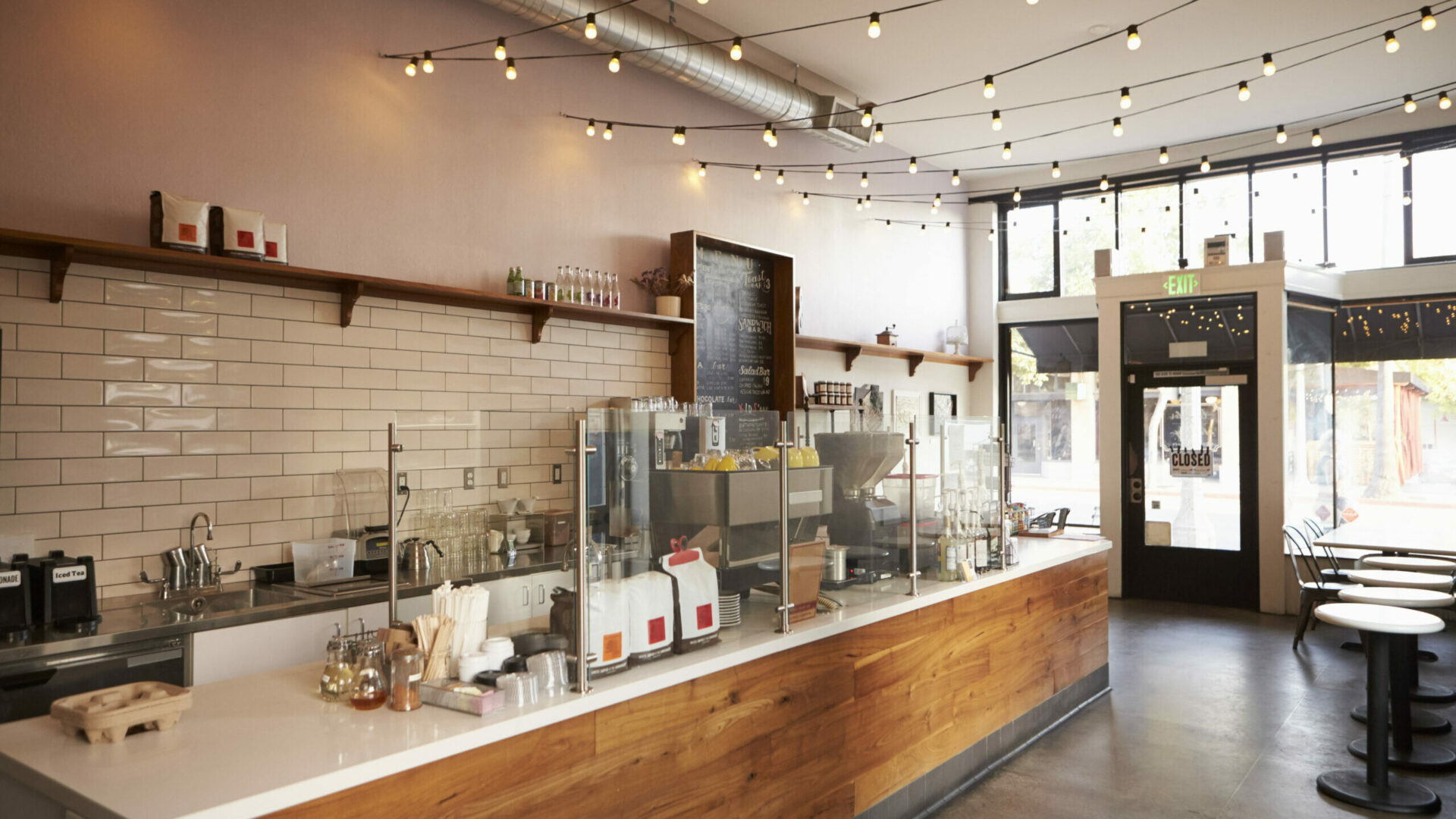
We all know the saying “it takes a village,” and recently a trend has arisen on social media: Gen Z influencers want a village and lament their lack of it. In response to this, some have pointed out that to be part of a village, you need to be willing to be a villager. The question is: Is Gen Z able to withstand the common inconveniences that come with being a villager? Social interactions involve hierarchies, social dynamics, conflicts, and the inability to simply “block” a neighbor who annoys you. As traditional third places, such as local parks, community centers, or cafés, are decreasingly used for community, many have turned to parasocial relationships as a convenient, friction-free alternative. It is easier to join a Gen Z community online where you can enjoy the feeling of belonging without the heavy lifting of real-world connections. This digital intimacy feels like a village, but it often lacks the authenticity of one.
Artificial Sense of Belonging
The decline of physical third places has left a massive gap in our social lives. In response, content creators have stepped in to fill the void, offering an artificial sense of belonging. According to NetPsychology, parasocial relationships function because our brains struggle to distinguish between a screen and face-to-face interaction. This digital intimacy is designed to be effortless…it seems like a perfect solution. You get some perks of a village, like emotional support, inside jokes, and shared values, without the inconveniences of going out of your way to help a sick friend, hosting game nights, or organizing events. The content creators act as digital mayors of a Gen Z community, and the values and interests of that community are built around them. However, if we only rely on parasocial relationships, we lose the social skills needed for real connections. As shown by the rise in popularity of TikTok lives and casual, low-effort posts such as GRWMs (get ready with me), digital intimacy is a fast-growing market for connection.

Fragile Digital Communities
While these parasocial relationships feel deeply personal, they are managed by content creators who are building a personal brand. The followers feel close to the influencer and bond over that with other followers, they feel like they know the content creator and could even be friends with them. But how fragile is that sense of belonging when it could all crumble with a simple click? First Things suggests this generation is creating a one-sided social contract. You might feel like a “villager” in a Gen Z community, but you are primarily a consumer of digital intimacy. When content creators change their persona, that Gen Z community can evaporate instantly. Unlike physical third places, these digital third places offer no permanent residence or true reciprocity.
Rebuilding the Village
If we stop investing our time and energy in building real community and belonging, we risk becoming socially bankrupt. Ultimately, using parasocial relationships isn’t a failure of character but a survival tactic. Gen Z is rebuilding the “village” with the tools they have left. We turn to content creators to bridge the gap left by real social connections. A community doesn’t always have to be physical to be meaningful, but that digital community can only be a complement to the one we cater to in real life. To truly belong, we must be willing to be villagers again, both online and off.
References
Larow, E. (2026, March 17). The parasocial generation. First Things. https://firstthings.com/the-parasocial-generation/
Octavio. (2026, March 18). Parasocial relationships: Why we feel close to influencers and streamers. NetPsychology. https://netpsychology.org/parasocial-relationships-why-we-feel-close-to-influencers-and-streamers/