
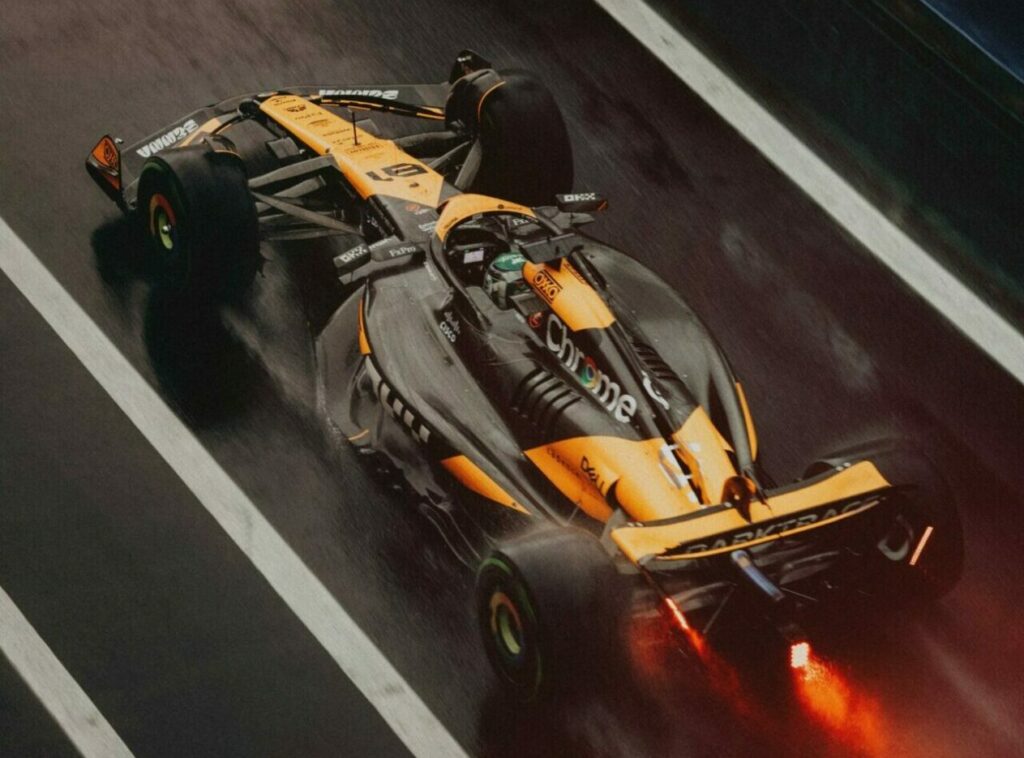
In the last couple of years, Formula 1 went from a niche European sport to a worldwide obsession. The sport has been transformed into one of the most powerful entertainment brands. How? With strong storytelling, personal branding and solid data-driven marketing.
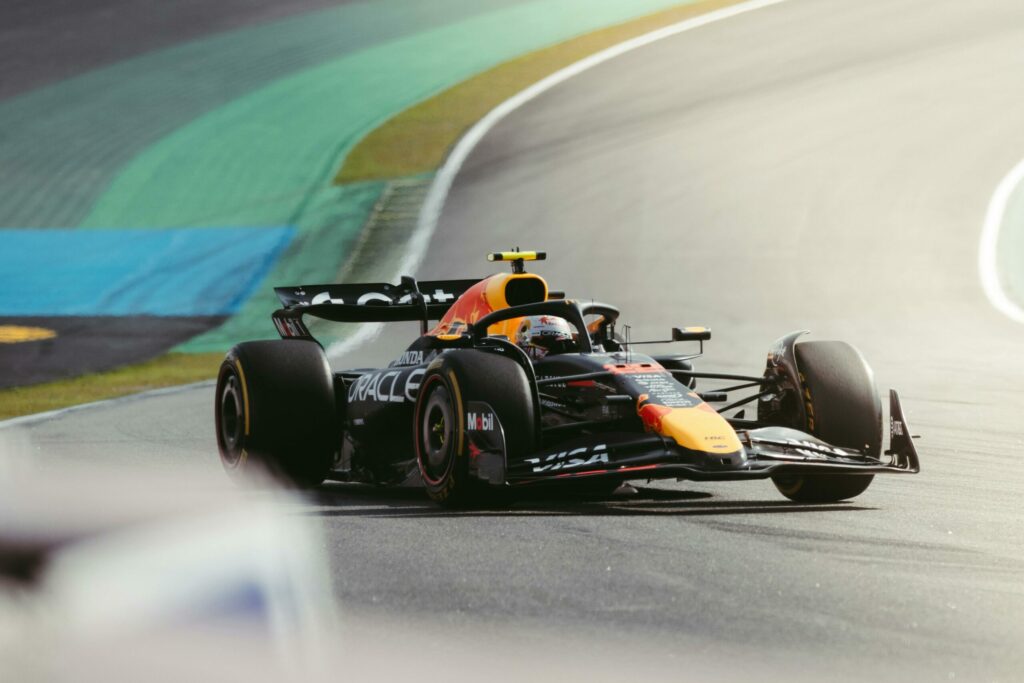
Drive to Survive: the ultimate storytelling
From a marketing point of view, Netflix’s documentary Drive to Survive is a true masterclass in storytelling. The series didn’t focus only on races and performances, it gave us heroes, rivals, drama and emotions. Each season has its own dramatic storyline, showcasing rivalry and creating an exciting suspense. The show has received criticism for radio messages taken out of context or for exaggerated conflicts. However, it works wonders from an entertainment standpoint.
The documentary wasn’t made for die-hard fans. Therefore, it attracted entirely different audiences, especially in North America and among younger generations. The show educated new fans on the rules of the sport and on long-time rivalries through exclusive behind-the-scenes access, sparking a new obsession for many young watchers.
Personal branding of F1 drivers: a highly profitable strategy
In the last few years, drivers have been transformed into powerful digital marketing assets. They generate value for themselves, their teams, and for global sponsors beyond racing. With the rise of the sport, drivers are not just athletes anymore, they are independent personal brands with their own identity, values and audiences. Drivers like Lewis Hamilton, Charles Leclerc or Max Verstappen have millions of followers on social media, allowing them to reach global audiences. Through behind-the-scenes content, lifestyle posts and personal storytelling, drivers contribute to making the sport more relatable and increasing fan engagement. Personal branding on social media helps attract Gen Z and younger generations, which is a key objective for Formula 1’s digital marketing strategy.

Sponsorship is an important element in motorsport, and teams and drivers are always looking for sponsors and brand deals. Personal branding of drivers can help bring monetization beyond racing. Brands will collaborate with drivers whose values align with their image, making influencer marketing even more authentic. When drivers share branded content, it amplifies team and sponsor visibility significantly more than with traditional advertising
Data-Driven Marketing : turning performance into engagement
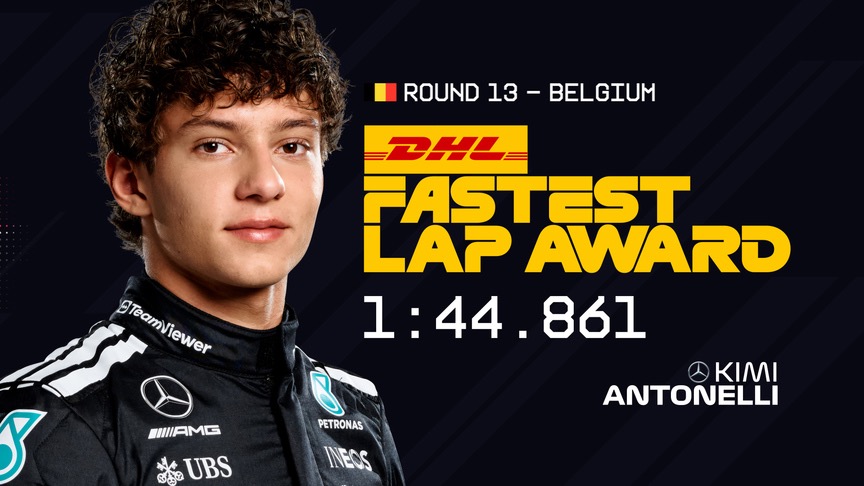
While data is essential for race performance, Formula 1 has also transformed it into a powerful marketing tool to increase fan engagement. Graphics such as fastest laps, tire strategy comparisons, and overtaking probabilities are now integrated into live broadcasts and social media content. This allows fans to feel more knowledgeable about racing and more involved, even if they are not technical experts.
Their data-driven marketing strategy is about transforming performance data into insights to encourage engagement. For instance, Formula 1’s app allows fans to create their fantasy team and view data on teams and drivers. Fantasy teams are a great form of engagement, combining data, personalization, competition, and emotional investment.
In conclusion, Formula 1’s digital success demonstrates how storytelling, personal branding, and data-driven strategies can transform a traditionally niche sport into a global entertainment brand. By turning performance into engagement, the sport offers a powerful blueprint for modern digital marketing.
Sources:
https://www.marketingsociety.com/think-piece/how-formula-1-winning-digital-content-race