
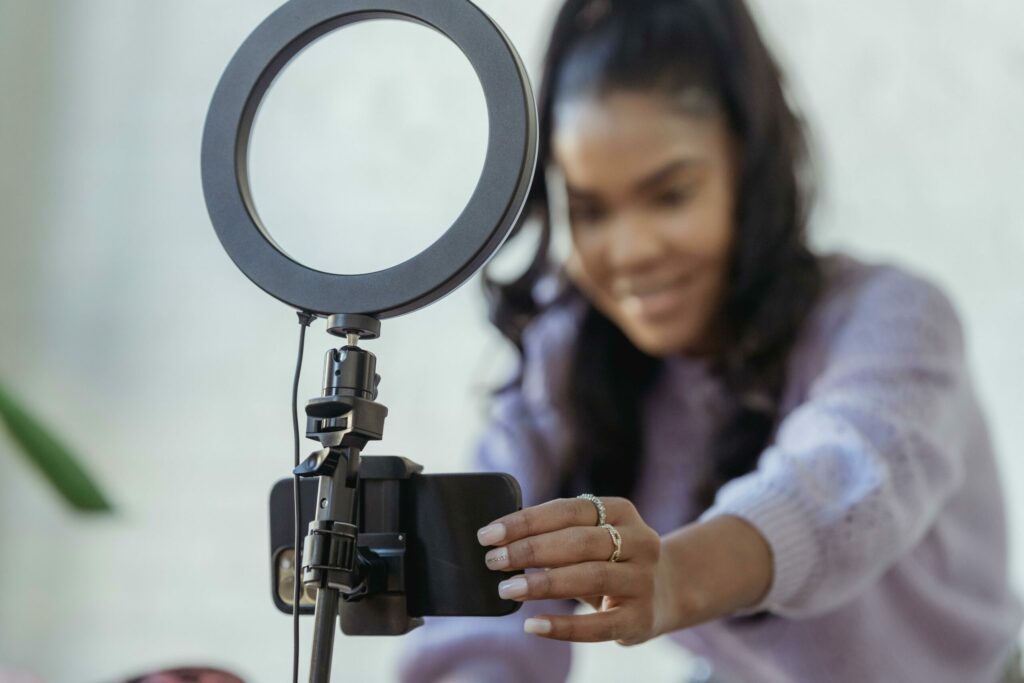
As consumer expectations shift towards authenticity, micro influencers are taking the lead. They often deliver better and more creative results than celebrities. Here’s why:
Authenticity: The core strength of micro influencers

The main reason micro-influencers feel more authentic is the real experience they share with their audience. Their followers can relate to the stories, their lifestyle and actually see themselves in the influencer’s life.
When you compare that to a Hollywood actress promoting a product, the gap is obvious. Most consumers cannot relate to the celebrity’s lifestyle, and the promotion feels more like an advertisement than a suggestion from a friend. Small influencers, on the other hand, communicate in a way that feels personal and trustworthy.
Followers trust them more, resulting in greater engagement with the brand. According to a 2025 Nielsen study, “92% of consumers trust peer recommendations and user-generated content over branded ads or celebrity endorsements”. Engagement rates reflect this difference: micro influencers usually range from 5-6%, compared to celebrities with less then 1%.
Stronger ROI for brands
Micro influencers marketing also delivers a significant return on investment. Since celebrities charge way more than small influencers, brands can collaborate with more creators at once, being able to diversify their reach and test different messages.
A survey conducted in 2025 by HypeAuditor showed that it cost 40% less for a brand to work with micro influencers than with a single celebrity. This resulted in higher engagement and more conversions. It’s also a good strategy for smaller companies that don’t necessarily have the budget for high profile figures.
Reaching the right audience
Another major advantage of these micro influencers is their ability to reach highly specific audiences. They know their public way better, are able to speak directly to their followers and care more about the kind of content. This makes influencer marketing more efficient and cost-effective.
Brands that collaborate with them can reach different segments and send tailored messages to their community. Around 82% of consumers are more willing to buy a product recommended by a small influencer versus a celebrity. It’s also more cost-effective; the brand is able to work with a lot more people, for less, while reaching different targets.
Since micro influencers operate in different categories, like fitness, skincare, travel and fashion, they can attract niche audiences that are already interested in those topics. That alignment makes their recommendations far more relevant.

Building stronger communities
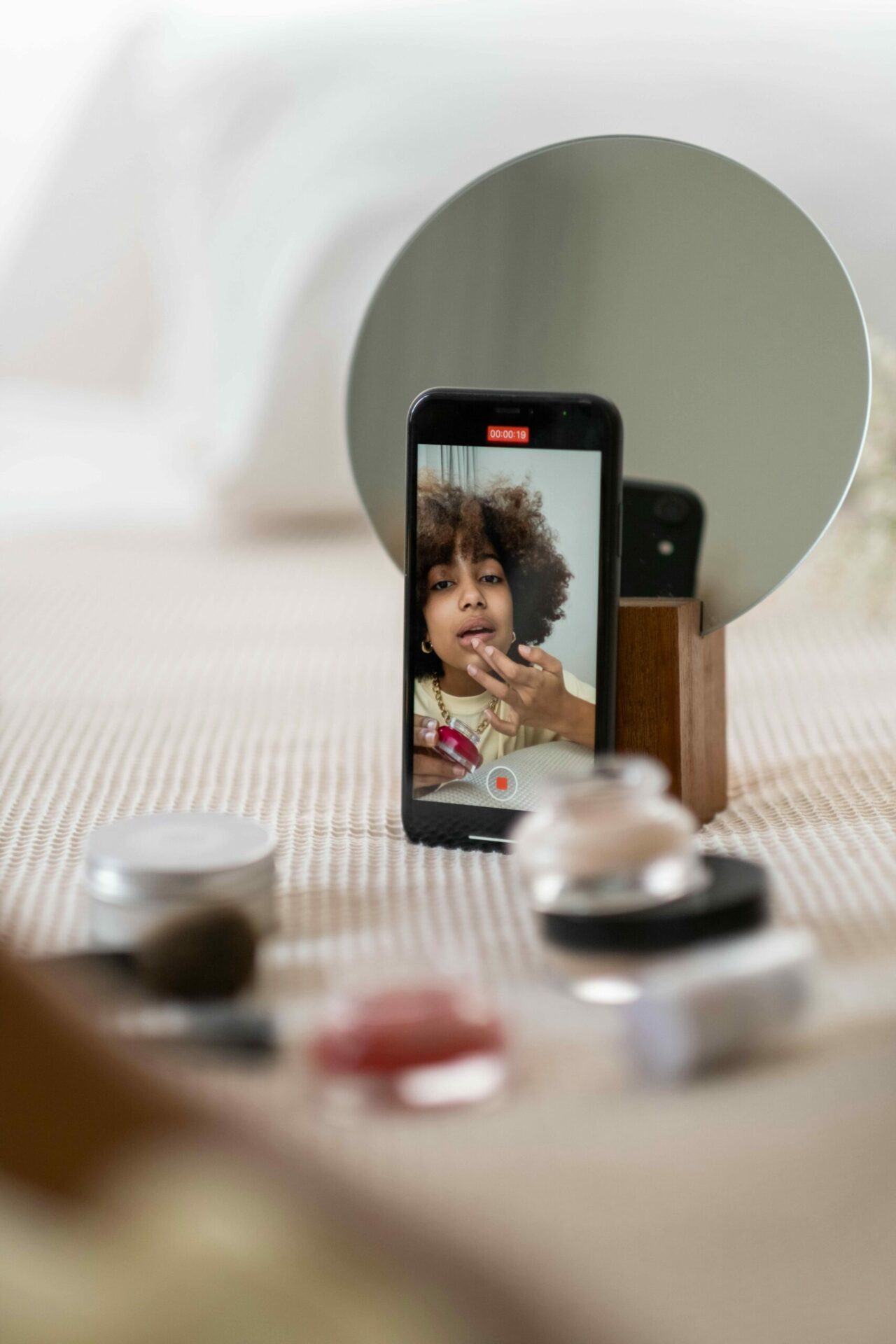
Emerging influencers interact every day with their communities; they have a better influence on those who follow them. Whether it’s by reacting to comments, answering questions, DMs, or even sharing personal experience, it creates a sense of closeness.
Their followers feel understood, connected to them, and like they are listening to a friend. The emotional bond they experience is crucial for their brand engagement and doesn’t make them feel like they are being scammed out of their money, unlike celebrities in their million-dollar homes.
Everyday content that resonates
Small influencers also tend to create more authentic and creative content. Since they engage with their audience every day, the content they promote feels more genuine, less scripted, as if they were talking to their friends. Their community feels more heard, and like they could actually achieve what is proposed. The posts fit naturally with everyday life, whether it’s during gym sessions, morning routines, or simple daily moments.
Reference
- Nielsen. (2025). Consumer Trust Study: Peer Recommendations vs. Advertising.
https://www.nielsen.com - HypeAuditor. (2025). Influencer Marketing Report: Cost and Performance of Micro Influencers. hypeauditor.com
- Influencer Marketing Hub. (2024). Influencer Marketing Benchmark Report.
influencermarketinghub.com - Experticity / Collective Bias. (n.d.). Micro‑Influencer Consumer Behavior Study.
expertvoice.com - Word of Mouth Marketing Association (WOMMA). (n.d.). Influencer Word‑of‑Mouth Impact.
https://womma.org