
The Historical Flaw of Traditional Research
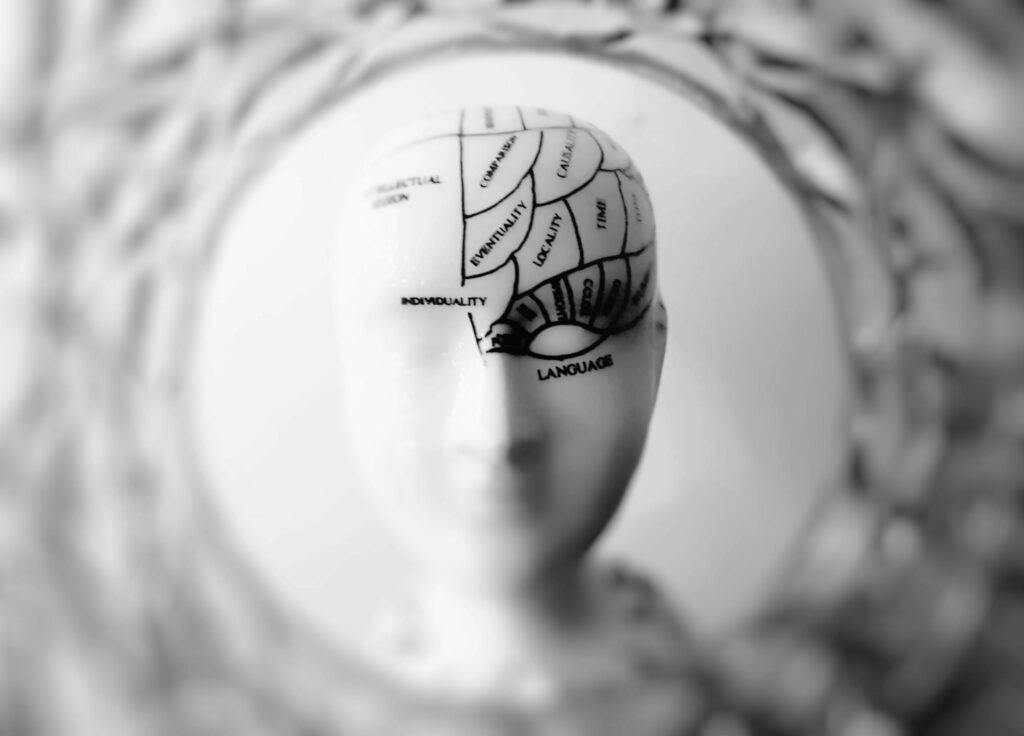
Marketing professionals always struggle to truly understand consumer behavior because traditional surveys constantly suffer from possible cognitive bias. Usually, when people try to articulate their feelings about a product, they often lie unconsciously or simply cannot explain their underlying emotional motivations. Because of this flaw, the scientific community developed a completely new approach by looking directly at human biology : digital neuromarketing. Now, by utilizing digital neuromarketing strategies, researchers can entirely bypass spoken answers to measure brain waves and physical reactions instead. Consequently, implementing digital neuromarketing strategies allows modern brands to eliminate the inherent guesswork associated with traditional consumer research.
Empirical Evidence and Classic Application of digital Neuromarketing

First, observing the evolution of this digital neuromarketing shows how quickly academic theory can impact profitability with high correlation. Indeed, a prime example is in 2010 when Campbell Soup used multiple neurological tests on over 1500 customers. This was to see how well they reacted to different ads and design on their labels (NeuroRelay). Concretely, during the 2 year study, they measured skin moisture, heart rate, eye movement, pupil dilation and other biometrics data. In response, some changes made after this study include using images of steam in the design instead of a regular spoon, updating the bowls with a more modern look and moving the logo at the bottom of the can. Moreover, if businesses could already do this 16 years ago, imagine what digital neuromarketing could achieve today with our advanced tools.
Modern Integration and Consumer Reluctance
Although the effectiveness and insight given by Digital Neuromarketing is important, integrating it in the current landscape has its challenges. One of those hurdles, as highlighted in a Neuroscience Research Notes article (Neuromarketing: a historical review, 2020), is balancing the benefits with the high financial cost. In short, implementing such technologies in social media campaigns and collecting the necessary data would require specialized software and equipment, which would be a significant investment for any smaller firm. In addition, another digital neuromarketing challenge is the growing rise of privacy concerns among consumers. An idea supported by government and institutions as seen with the recent Law 25 in Quebec. Collecting biometric data on users is a touchy subject for good reasons, whether because of ethical concerns about discriminatory bias or data breaches. The only way forward is to gain enough public trust to use Digital neuromarketing to its fullest. Some solutions could be found through extreme transparency of all processes, as well as guarantees on cybersecurity from corporate.
Artificial Intelligence and the Path Forward
Hopefully, the continuous advancement of artificial intelligence will help democratize access to this once exclusive insight. In fact, the strength of AI being able to process massive amounts of data might make the technology more scalable. Even recently, some companies like Spotify already used advanced digital neuromarketing strategies to measure customer engagement while listening to specific music. In the future, combining these technologies could change the environments of users based on their live emotional state and reaction. However, successfully navigating the ethical boundaries of digital neuromarketing heavily depend on education of consumers and regulations from governing bodies.